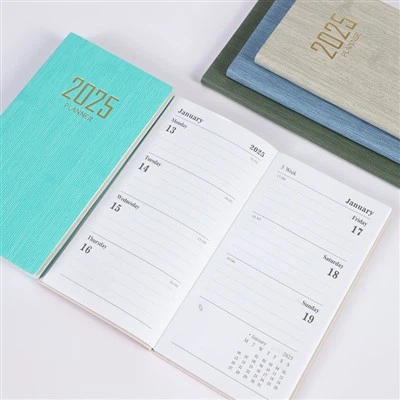

The functions of the daily planner
Aug 09, 2024
Leave a message
The functions of the daily planner are mainly reflected in the following aspects:
- Time management: Make daily life orderly through advance arrangements. The process of filling in the schedule is actually a process of self-commitment. Writing down the things that need to be completed in black and white is more self-disciplined than storing them in the brain.
- Records and memos: Record the daily account of study and life, completed items, small happiness, financial income and expenditure, and collect some golden sentences and pictures that you like. This helps to recall and organize the bits and pieces of life, and is also a valuable material for personal growth and memory.
- Reminders and plans: Used for holidays, birthdays of relatives and friends, important anniversaries, bill days, appointments with friends, and agreements with children.
- Use mobile phone APP or set alarm reminders to ensure that no important events are missed.
- Habit cultivation: Used to record punch-in records such as getting up early and going to bed early, fitness, speeches, and learning English, to help yourself or your children develop new habits. For example, the check-in area at the bottom of the calendar is very convenient for recording and counting the number of completions.
- Workflow management: auxiliary tools such as sticky notes, to-do lists, check lists, etc. are suitable for commonly used shortcut keys on office computers, daily morning opening ceremonies, weekly accounting workflows, etc., to improve work efficiency.
In summary, the planner book is not only a time management tool, but also a recorder of personal life and work, helping people better plan and organize their time, and improve the efficiency and quality of life and work.