


How to create a daily schedule in 6 steps?
Nov 13, 2024
Leave a message
Create a To-Do List
Before you can start organizing your tasks, first write down everything you need to accomplish for the day. Include recurring items like meetings, workouts, and appointments, as well as one-off tasks such as deadlines or phone calls. You can decide how detailed you want your list to be. For example, if adding "go to lunch" helps structure your day, feel free to include it.
Tip: It's okay if you're unsure about all the tasks you'll need to do in the upcoming week. You can always add new items to your list as they come up.
Prioritize Your Tasks
If your to-do list feels overwhelming, don't worry-prioritizing will help. Prioritizing gives you a clearer sense of what needs to be done first. If it looks like
you won't finish everything today, you'll know which tasks have the most immediate impact and should take precedence.
To prioritize, label each task as high, medium, or low priority. Consider these questions when sorting your tasks:
- Which tasks have fixed deadlines?
- Which tasks must be completed on specific days?
- Which tasks will cause stress if they're left undone?
- Which tasks do I want to tackle next?
- Which tasks can wait?
Tip: If you have conflicting tasks, assess which one is more urgent. For instance, if one project is for a client and another is for your boss, the client's project likely takes priority. If deadlines overlap, don't hesitate to ask colleagues or your manager for help or delegate tasks where possible.
Set Deadlines
Go through your to-do list and ensure that every task has a clear deadline. If you're unsure of the exact due date, set a reasonable deadline for now-you can always adjust it later.
Like prioritization, deadlines help you identify which tasks are most urgent and guide when to complete them. Without deadlines, it's easy to miss important deliverables, even if you had enough time. In fact, unclear deadlines are one of the top reasons tasks get delayed.
Tip: Deadlines aren't just for work. Set deadlines for personal goals too-like training for a marathon. For example, break down your training plan by how many miles to run each week, so you're fully prepared for the race.
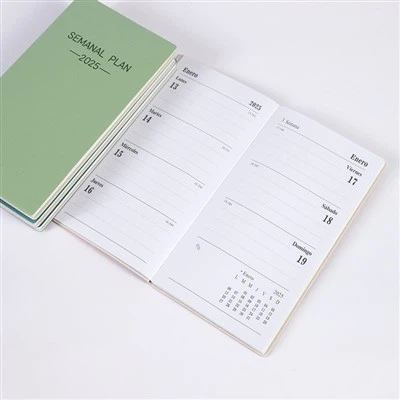
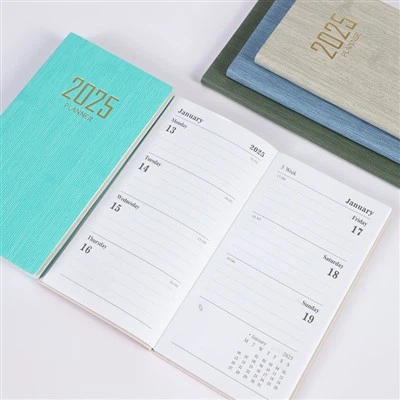
Identify Recurring Events
After you've set deadlines, take note of any recurring events in your to-do list. These could be weekly meetings, monthly book clubs, or regular phone calls with clients. Highlight these to ensure you don't overlook them.
Organize Tasks by Time, Priority, or Deadline
Now comes the fun part-organizing your to-do list. Arrange tasks by the time of day, priority, or deadline. As you slot tasks into your daily schedule, follow the order you've created based on priority. High-priority tasks should be completed first, while lower-priority ones can be saved for later in the day or week. Be sure to scatter your recurring events throughout your schedule as well. As you check off tasks, your agenda will naturally fill up.
Stay Flexible
With your schedule mapped out, you're ready to get started. However, it's important to stay flexible. The schedule you create at the beginning of the day might not be exactly how your day unfolds. Things may shift, and tasks may take more or less time than expected, so remain adaptable as new priorities and challenges arise.